
Bad, Bogus, & Better Toothbrushes on the Market
“You don’t have to brush all your teeth — just the ones you want to keep.”
The Hidden Eco- and Bio-Hazards of the Modern Toothbrush
Arguably the most essential object in every oral care routine, the toothbrush plays a major role in not only our oral hygiene but our holistic health. Protecting our tooth enamel while helping to sustain a healthy microbial balance within the oral cavity, a toothbrush can impact our appetite, digestion, and a myriad of other interconnected biological systems in surprising and profound ways.
While many of the toothbrushes on today’s product marketplace may be effective at cleaning away visible debris and organic bacterial buildup, many consumers may be surprised to learn about the invisible toxins they shed and leach into the oral cavity. A growing public awareness of the health risks associated with modern manufacturing have inspired a host of both old and new alternative toothbrush designs, featuring plant, wood, and animal-hair components alongside premium and more stable chemical compounds. Yet even “greener” options often carry significant trade-offs and caveats. Lax regulations and wellness-washed marketing tactics make it all the more challenging to distinguish legitimately low-tox varieties from the many half-baked or bio-traced imposters that dilute the competitive toothbrush marketplace.
BAD, BOGUS, & BETTER: A Rubric for Honest Product Evaluation
This rubric evaluates toothbrushes across multiple variables, including ecological footprint, biological safety, performance, lifespan, and end-of-life impact. Informed by my background as a journalist and corporate product and packaging designer, these detailed reviews are backed by extensive research, personal testing, consumer feedback, advocacy reports, scientific studies, and AI-assisted analysis.
The BAD and BOGUS tiers expose hazards and hollow hype, while readers interested in brand-specific product recommendations can jump directly to the BETTER section, which includes affiliate links through the U.S. Amazon Associates program. CHANNEL ONE may earn a small commission from qualifying purchases at no extra cost to you.
While this information does not constitute medical advice, diagnosis, or treatment, the insights shared are intended to help wellness-minded consumers to more confidently choose the toothbrush that best aligns with their values, lifestyles, and aspirations for better health.
BAD
The Subpar Standard:
Petroleum-Based Best Sellers
The conventional household toothbrush is forged from a variety of petrochemical components. Upheld by power brands like Colgate and Oral-B, plastic brushes continue to be the highest-grossing and dentist-recommended choice, despite mounting evidence of health and environmental risks linked to these materials.
Science reveals that the nylon bristles and mass-manufactured plastic handles standard to most toothbrushes may lead to the shedding of tens of thousands of microplastic particles per year, leaching harmful monomers and chemical additives that can irritate gum tissue, disrupt the oral microbiome, and induce oxidative stress and inflammation in cells. Systemically, swallowed microplastics may contribute to chronic inflammation, immune suppression, hormonal dysregulation, tissue fibrosis, and have been linked to cardiovascular and other chronic health issues.
Although plastics resist mold and mildew, their lasting legacy is widespread microplastic pollution — a growing toxic burden for humans, wildlife, and the planet alike.
Nylon 6 Bristles
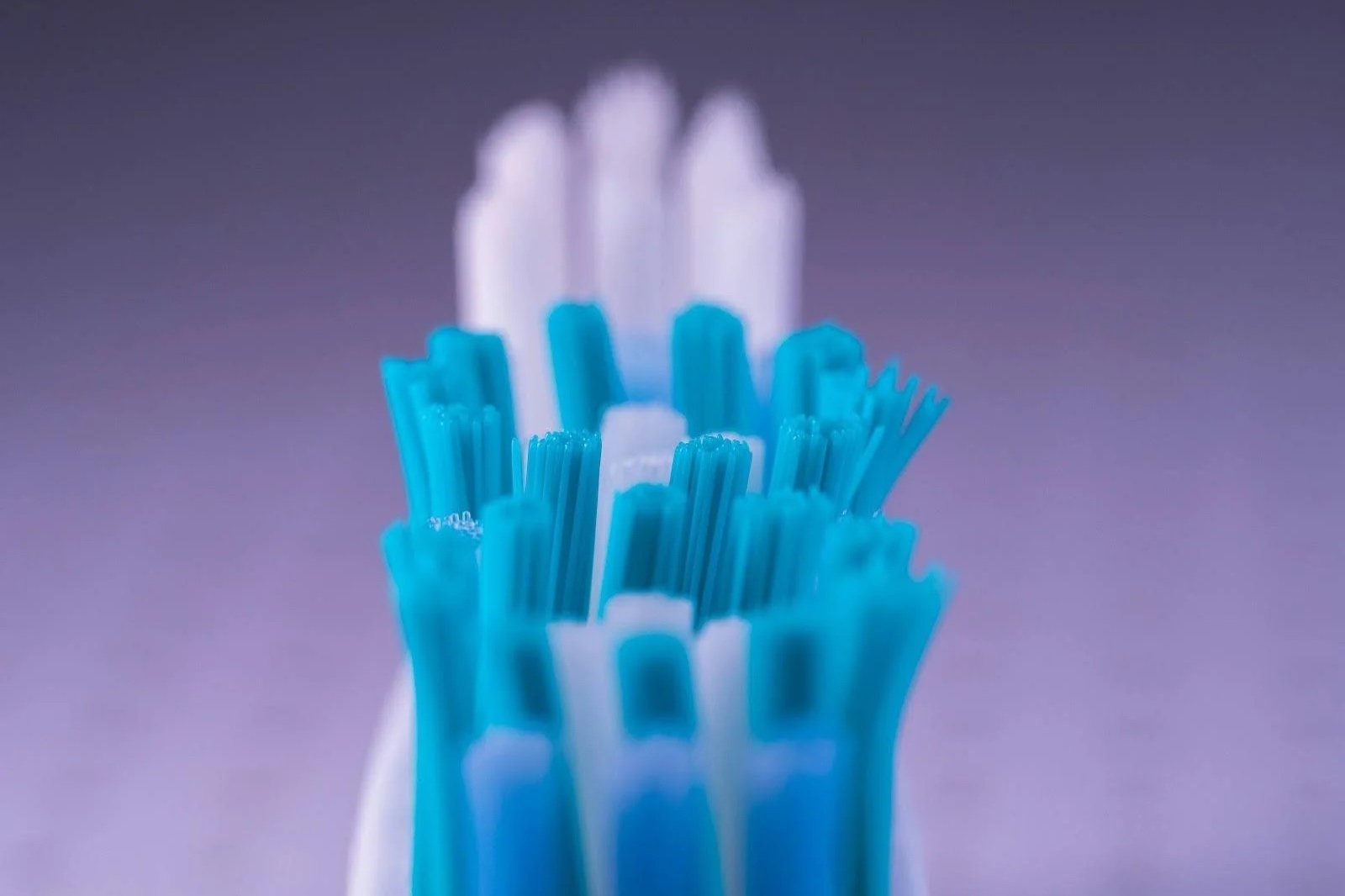
Nylon 6 — originally celebrated for its balance of durability and cleaning capabilities — is also a form of plastic derived from fossil fuels and is one of the cheapest grades of nylon on the market. Exceptionally cost effective to produce, this formulation of nylon is the default choice for over 90% of the toothbrush bristles manufactured today, despite the shortcomings of the substrate.
While no form of nylon is biodegradable, nylon 6 requires significant energy and produces some of the most potent greenhouse gas emissions during manufacturing. These bristles also shed microplastics and leach toxic residues during brushing, especially as the filaments degrade from prolonged use, leading to chronic ingestion and environmental dispersal.
Acrylic Bristles
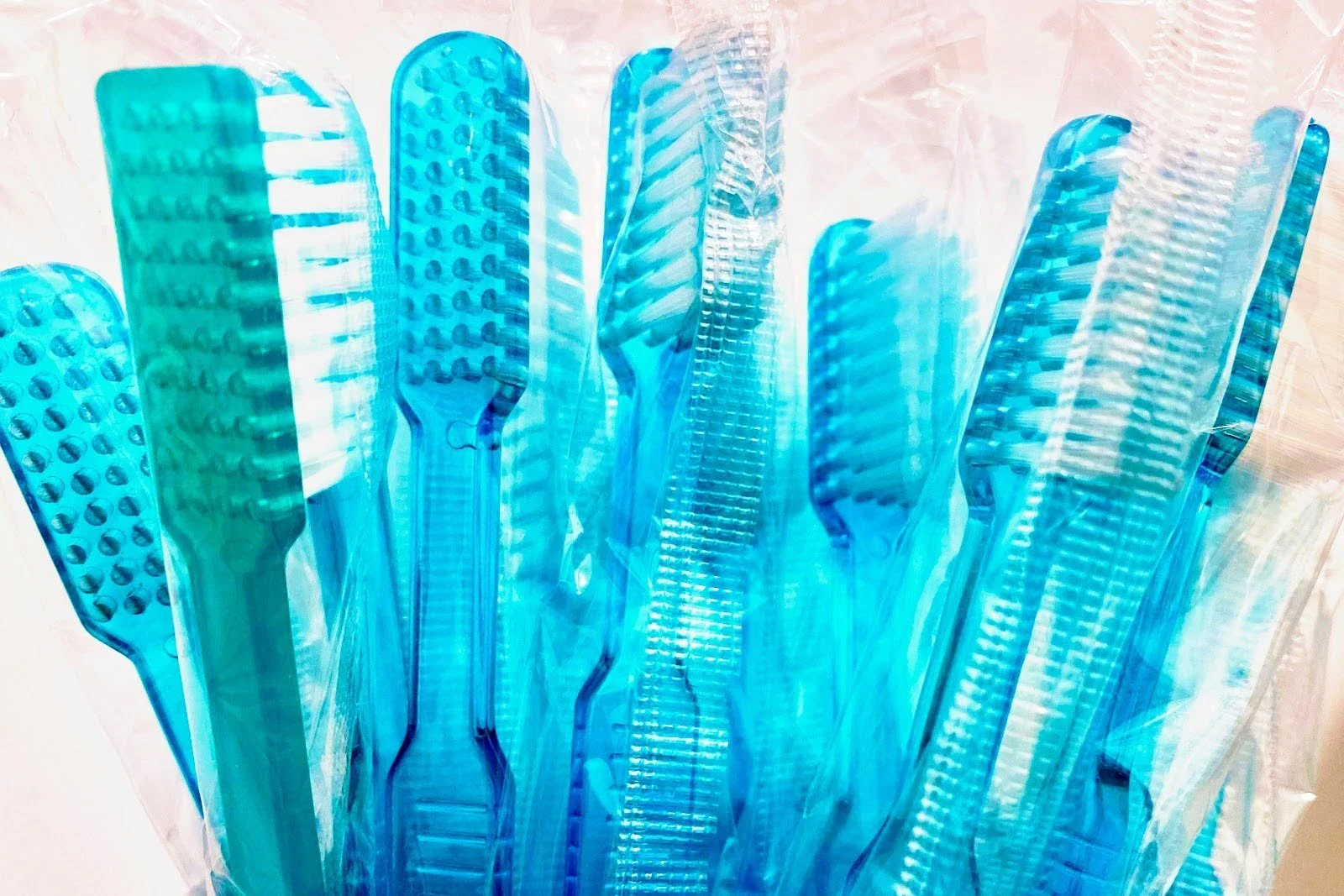
Acrylic bristles, used occasionally in low-cost or specialty toothbrushes, tend to be stiff and abrasive, which can damage enamel and gums more readily than nylon. Chemically, acrylic is less flexible and more brittle, leading to a rougher brushing experience, poorer longevity, and the increased potential for microplastic shedding. Its surface properties can trap abrasive particles from toothpaste, compounding wear on teeth and oral tissues.
Conventional Plastic Handles
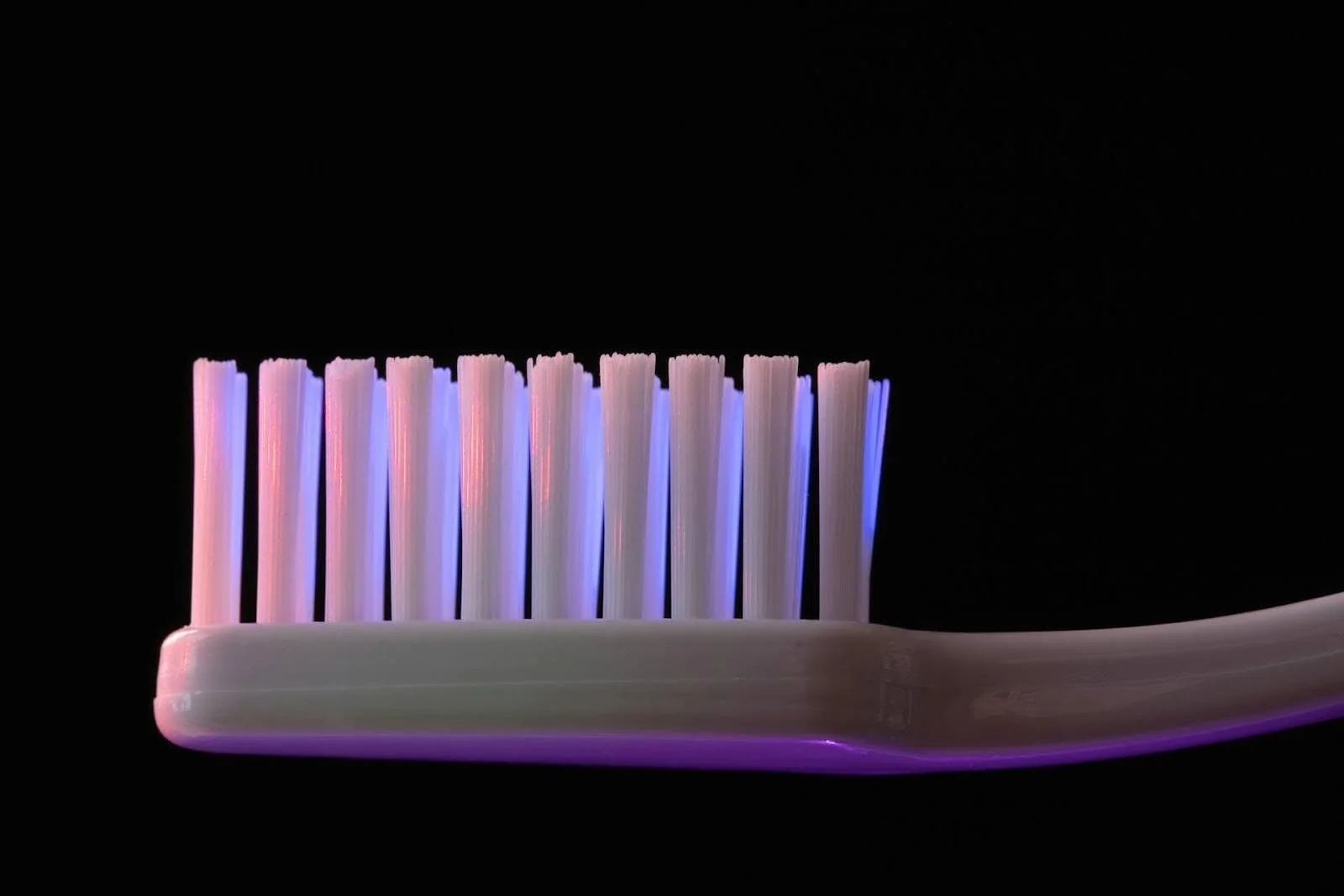
Plastic toothbrush handles are most commonly made from polypropylene (PP) or polyethylene (PE), valued for their water resistance, lightweight feel, and affordability. Polyethylene terephthalate (PET) is also widely used, especially in toothbrush handles and bristles, due to its toughness, durability, and ability to hold a stable shape.
Despite their practical benefits, these conventional plastics pose serious environmental and health challenges. While most of these plastics are recyclable when fabricated alone, toothbrushes — combining handles with nylon bristles and sometimes additional grip materials — present complex composites that most municipal recycling systems cannot process. As a result, the vast majority end up in landfills or incinerators. Additionally, these plastics shed microplastics during use and disposal, contaminating soil, water, wildlife, and human food chains. Even BPA-free plastics can release substitute chemicals like BPS, which may disrupt hormones or cause inflammation.
Plastic-Rubber Grips
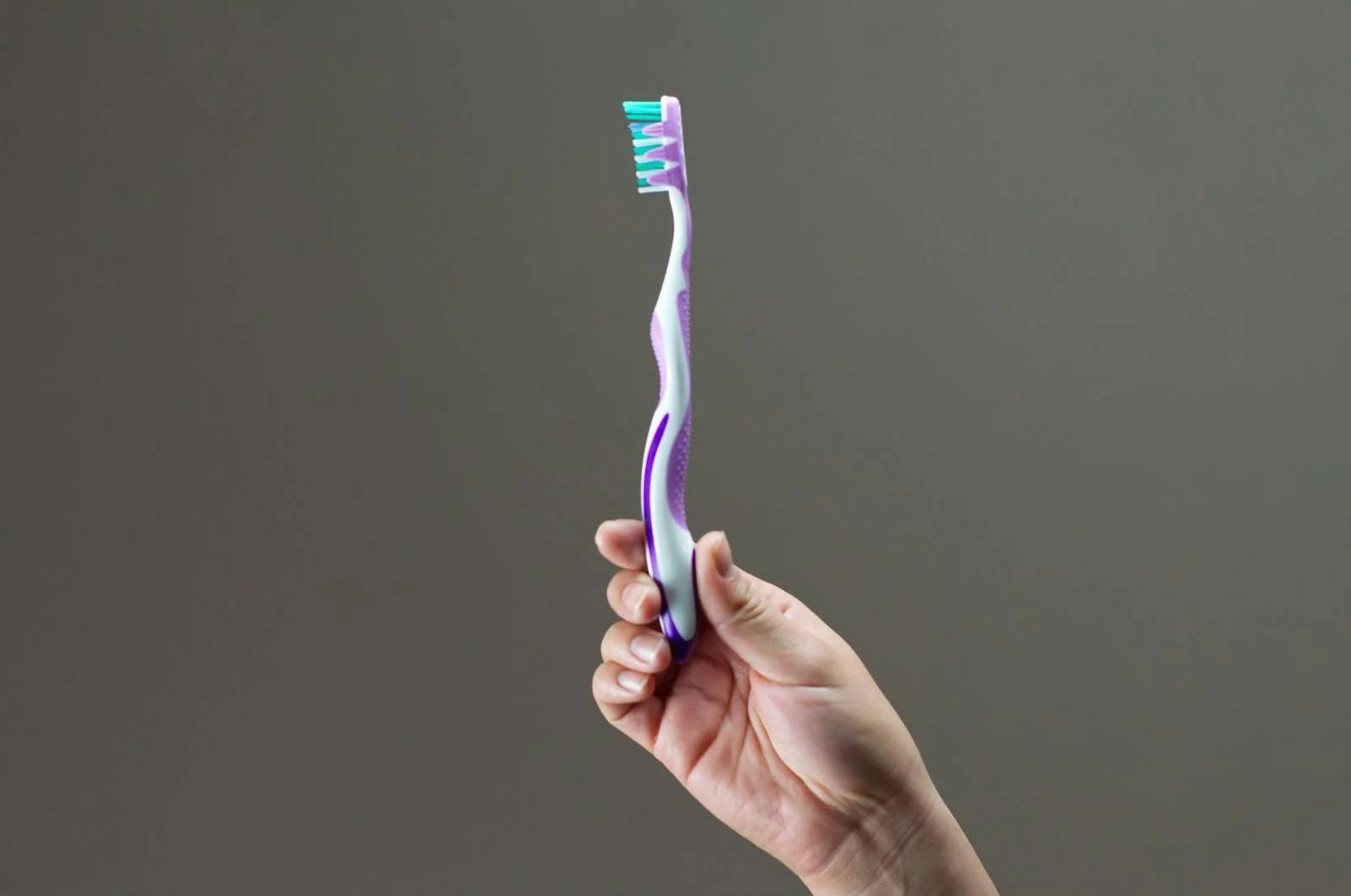
The ergonomic grips on toothbrushes are commonly made from a combination of synthetic rubbers and plasticizers designed to provide a comfortable, non-slip surface. They are often composed of petrochemical materials like thermoplastic elastomers (TPE), which are flexible plastics that mimic rubber properties. Plasticizer chemicals are also added to the rubber or TPE to increase flexibility, such as phthalates, which are under scrutiny for their potential hormone-disrupting effects.
Colorants, Dyes & Bleaches
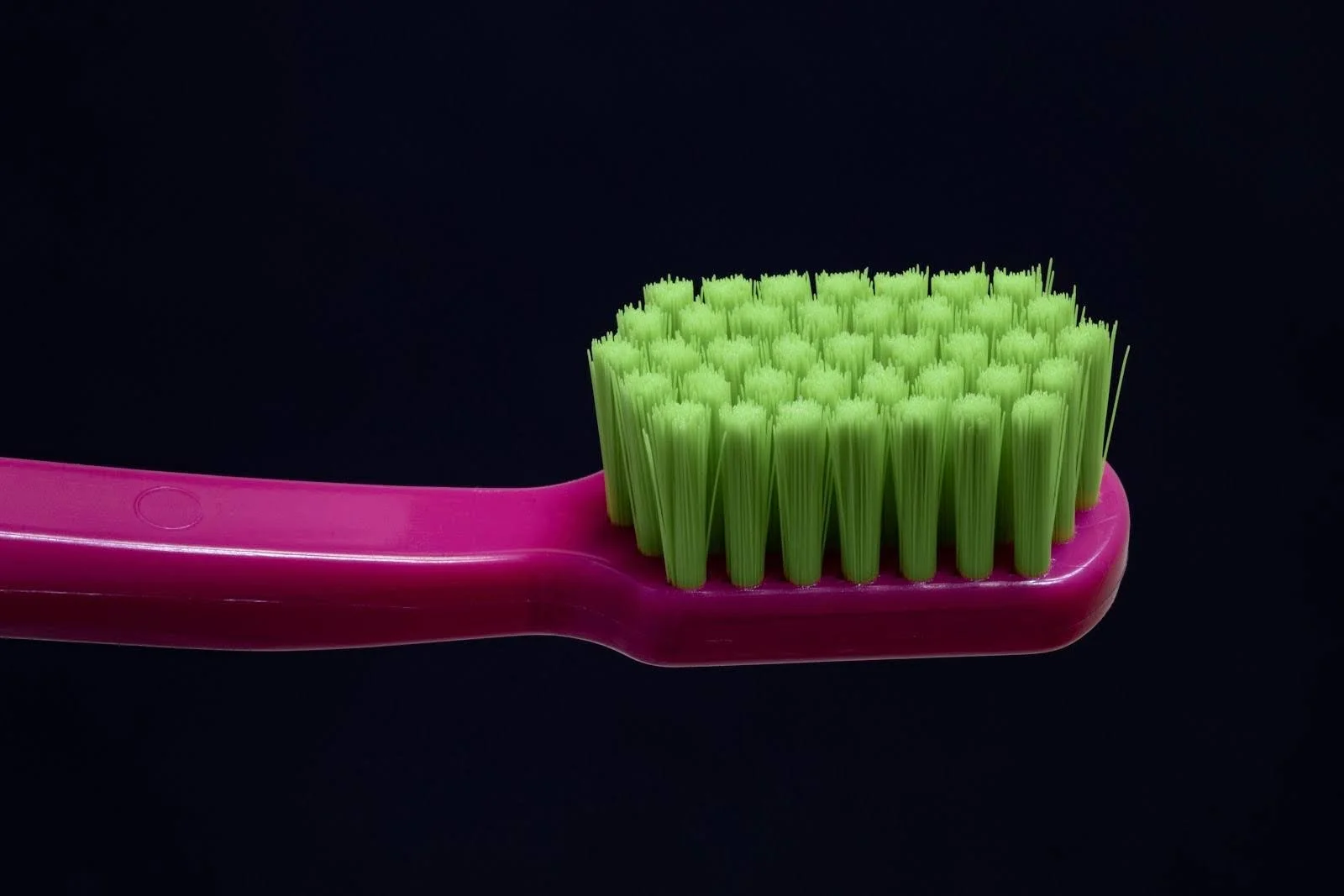
Colorants, dyes, and bleaches used to brighten and color toothbrush bristles and handles present notable biological health risks. Many synthetic dyes — including petrochemical-derived azo compounds — have been linked to allergic reactions, hormone disruption, and, in some cases, carcinogenicity. The bleaching agents applied during manufacturing can release harmful byproducts, adding chemical exposure through contact and complicating the environmental breakdown of these materials. These chemicals persist in ecosystems and may contribute to water pollution, amplifying the presence of hidden toxic burdens in everyday oral care routines.
Hard Plastic Handles in Electric Toothbrush
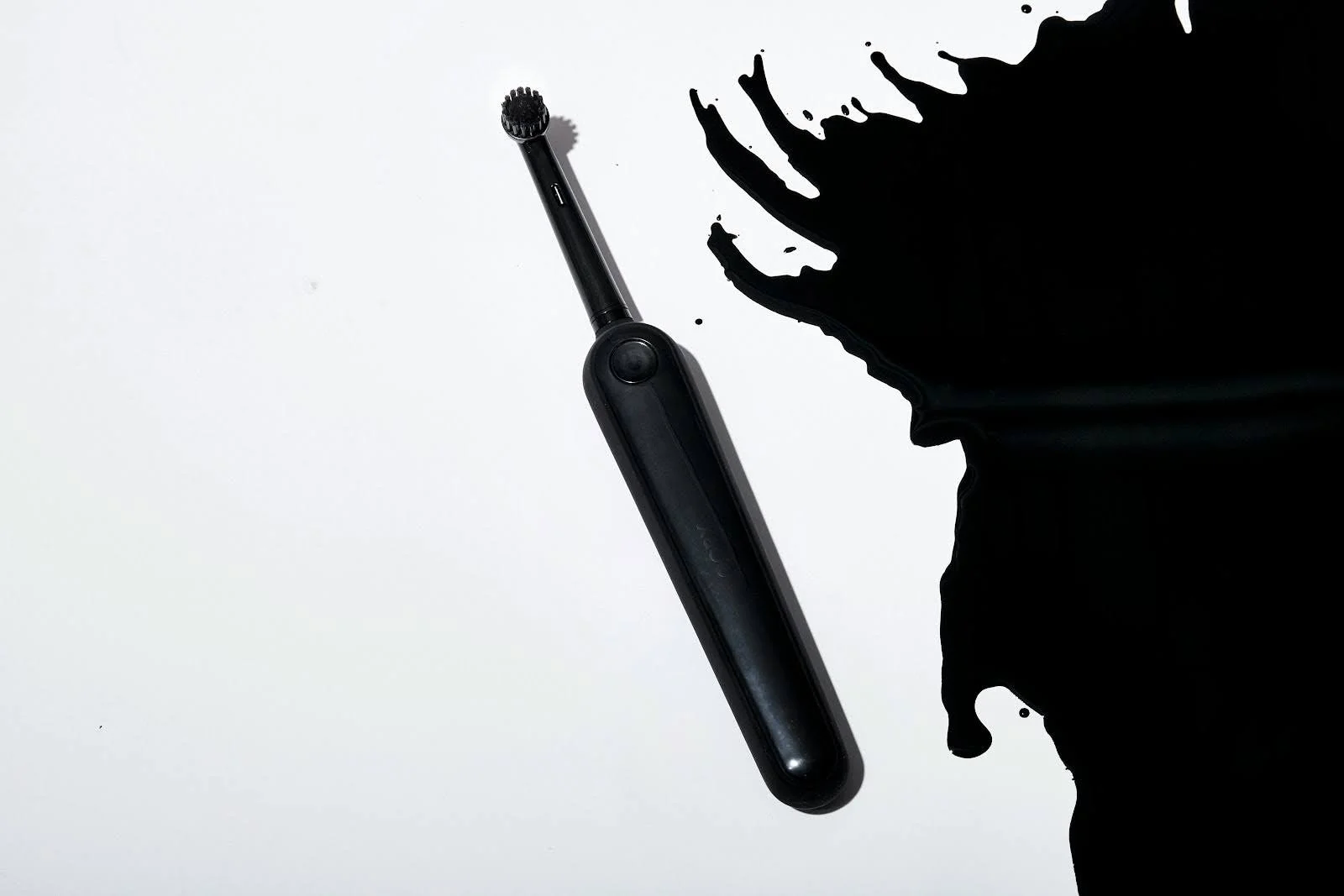
The hard plastics used in most electric toothbrushes are often labeled BPA-free, but this does not necessarily mean they are free from other toxic substances. Commonly, these plastics include polycarbonate substitutes or acrylonitrile butadiene styrene (ABS), both of which can contain chemical additives and residual monomers with potential health risks. BPA-free plastics may still leach compounds such as or bisphenol F (BPF), which are structurally similar to BPA and have been associated with endocrine disruption and other toxicities. Plastic components in electric toothbrushes often contain flame retardants, plasticizers, and stabilizers that can leach over time, especially with repeated exposure to heat and moisture. These compounds can contribute to hormone disruption, inflammation, and other adverse health effects.
BOGUS
The Half-Baked Imposter: Bio-Traced Pretenders
Despite growing consumer interest in more sustainable or plastic-free oral care options, toothbrushs marketed as “eco,” “natural,” or “compostable” frequently fall short of genuine environmental or health benefits. These half-baked impostors often rely on manipulative marketing tactics, exaggerated and misleading claims, and a general lack of consumer awareness to deceptively move their products off the shelves.
This section unpacks some of the most common bio-traced alternatives – revealing the truth behind a host of green- and wellness-washed features – so that only the highest integrity options stand a chance of landing in your shopping cart.
Charcoal or Carbon Bristles
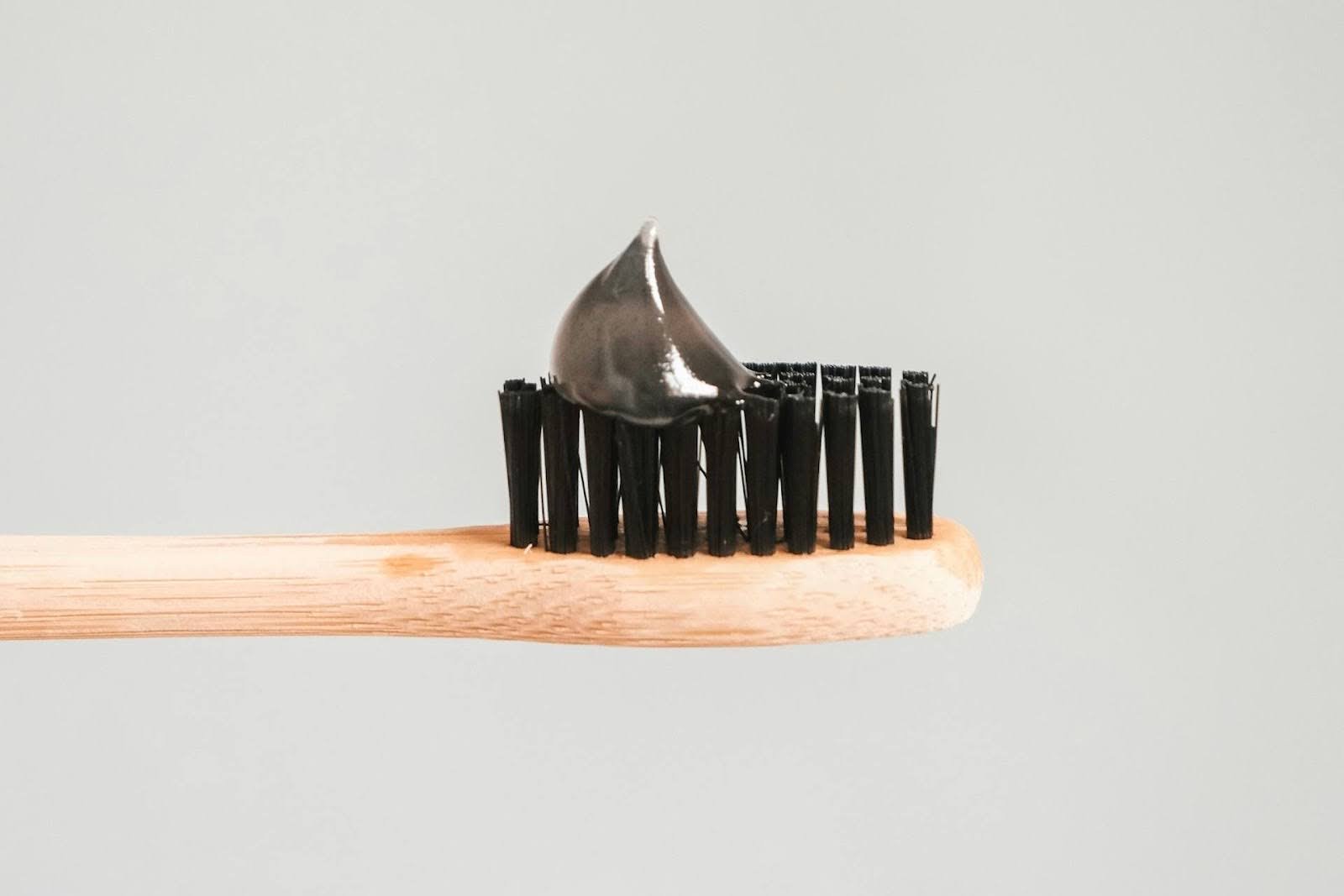
“Charcoal” or “carbon” bristled toothbrushes have flooded the aisles of wellness boutiques, grocery stores, and discount retailers alike in recent years, marketed with the promise of enhanced teeth whitening and antibacterial capabilities. While such products are often ambiguously labeled, these black or gray-tinted bristles are essentially just standard nylon mixed with trace amounts of activated charcoal powder.
Despite marketing claims, dental experts caution about the abrasive nature of charcoal-infused bristles, which could cause enamel erosion and gum irritation. Scientific evidence shows minimal, if any, practical advantage over regular nylon bristles, and these products often lack the approval of the American Dental Association (ADA). Even when paired with bamboo handles, such hybrid designs are not easily compostable or comprehensively less toxic, undercutting the carefully crafted eco-friendly impressions that help to sell them.
Some brands also infuse nylon bristles with silver, gold, copper, pink Himalayan salt, and other minerals — such as zinc or tourmaline — for purported antibacterial or health benefits, although efficacy can vary widely and is often not clinically substantiated.
100% Bamboo Toothbrushes
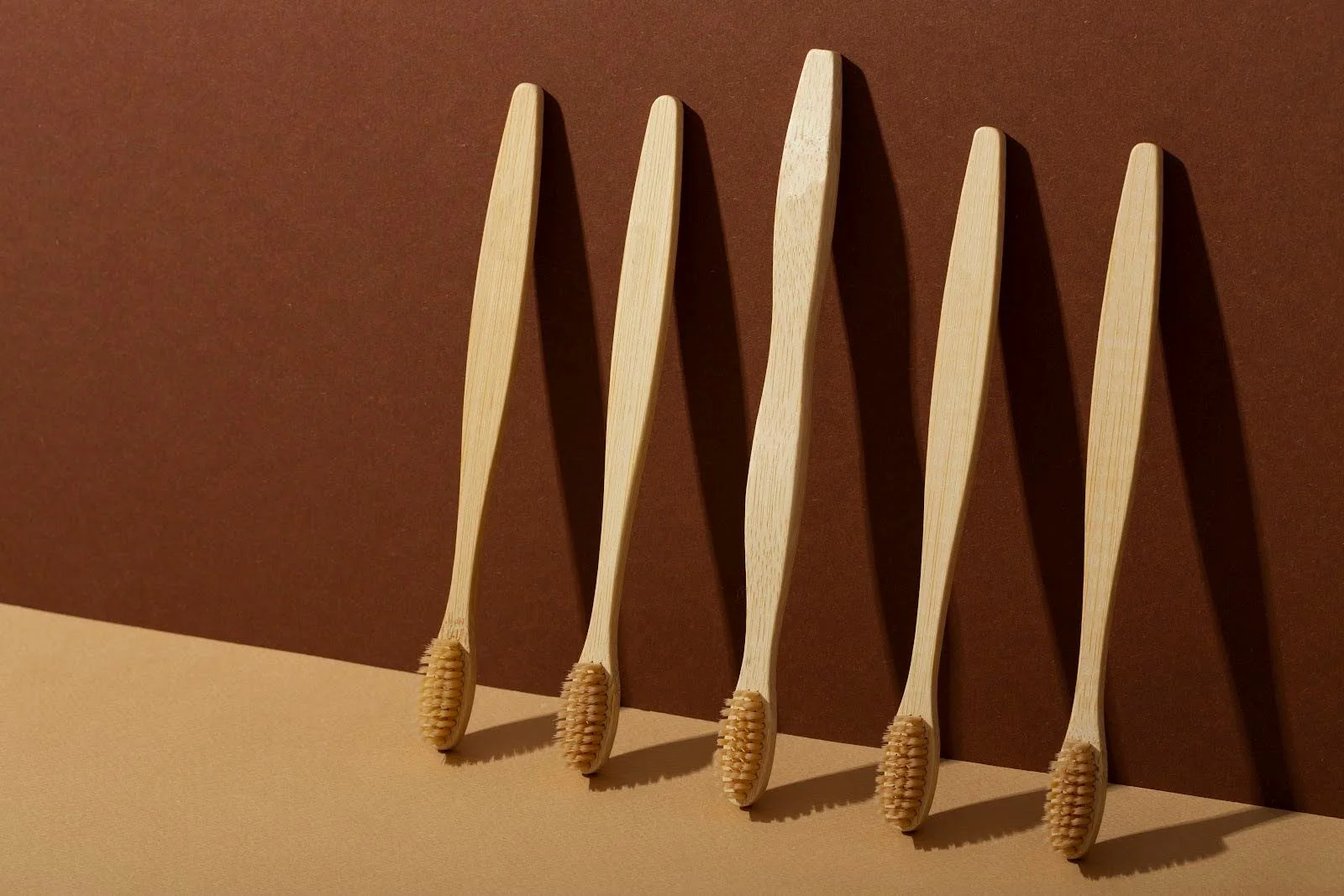
Some brands claim toothbrush handles and bristles are respectively made entirely from bamboo, but many independent lab tests reveal bristles advertised as “bamboo” are just standard nylon, sometimes infused with charcoal or plant-derived additives. While bamboo filaments are being patented and explored, they are not yet commercially available, making any "100% bamboo bristles" claim greenwashing. Concerned consumers should verify bristle materials, approach such claims cautiously, and report deceptive labeling to retail management, online marketplaces, or the FDA via their Consumer Complaint Coordinator Directory.
100% Biodegradable Options
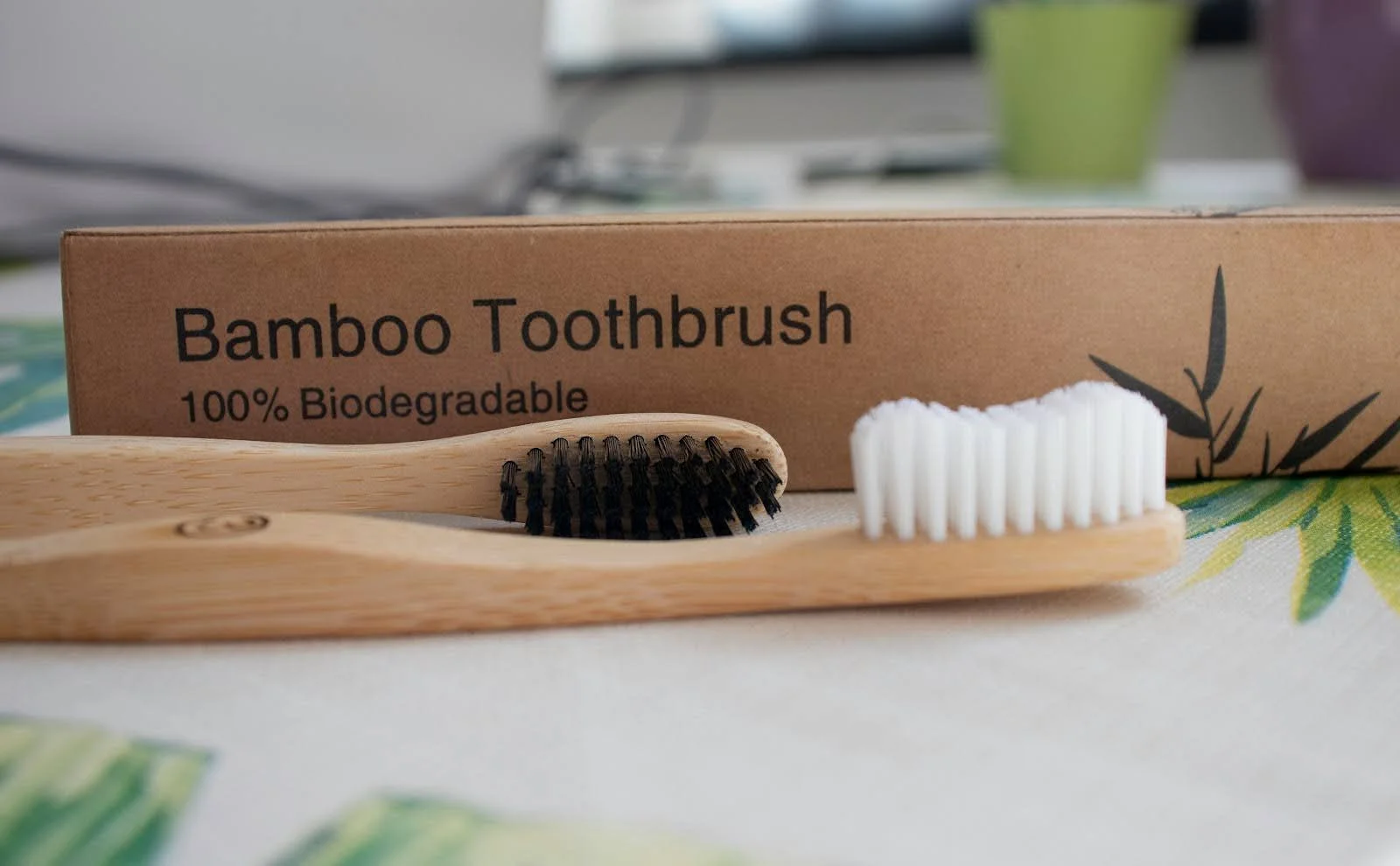
Many niche brands sell standard nylon bristles on eco-handles like bamboo or bioplastics, then market them as “eco-friendly,” “sustainable,” or “compostable.” Claims of “100% biodegradable” or “compostable” are inappropriately applied to brushes that are not entirely or easily compostable.
Unless users manually remove these synthetic bristles for separate composting — a challenging task requiring specialized tools — these brushes remain unsafe for backyard or home composting. Others exaggerate biodegradability for materials like corn-starch or castor oil polymers, which require industrial facilities unavailable in most U.S. regions. When material specifications are unlisted, it’s safe to assume petroleum-based components persist.
Pro-Tip: Bristle Burn Test
To identify if toothbrush bristles are synthetic or organic, a simple controlled burn test can be conducted. Pluck a single bristle and cautiously burn it in a well-ventilated area, such as outdoors or near an open window. Use metal tweezers to hold the bristle over a non-flammable surface – like a glass, ceramic, or metal tray – and keep water nearby to extinguish any accidental flames quickly.
Synthetic bristles like nylon typically melt and curl, emitting a chemical odor, while organic bristles catch fire more readily and often burn down to ash without melting. For more precise verification, labs like Alpha Analytical can conduct polymer analyses using methods like Fourier-Transform Infrared Spectroscopy (FTIR) for a fee.
BETTER
The Genuine Article: Upgraded Alternatives
The following options offer practical upgrades for consumers seeking real improvements over conventional plastics and greenwashed pretenders. This category highlights higher‑integrity designs with emerging special features that reduce some of the most hazardous exposures and harmful properties of mainstream toothbrushes. From bio‑based resins and premium medical‑grade nylon bristles to thoughtfully sourced animal hair, these options can significantly lower chemical exposure and environmental impact. Still, most come with unresolved caveats and compromises, which are noted so readers can make truly discerning purchasing decisions with a clear view of both the pros and the cons of today’s best available tools.
Castor Bean Bioresin Bristles
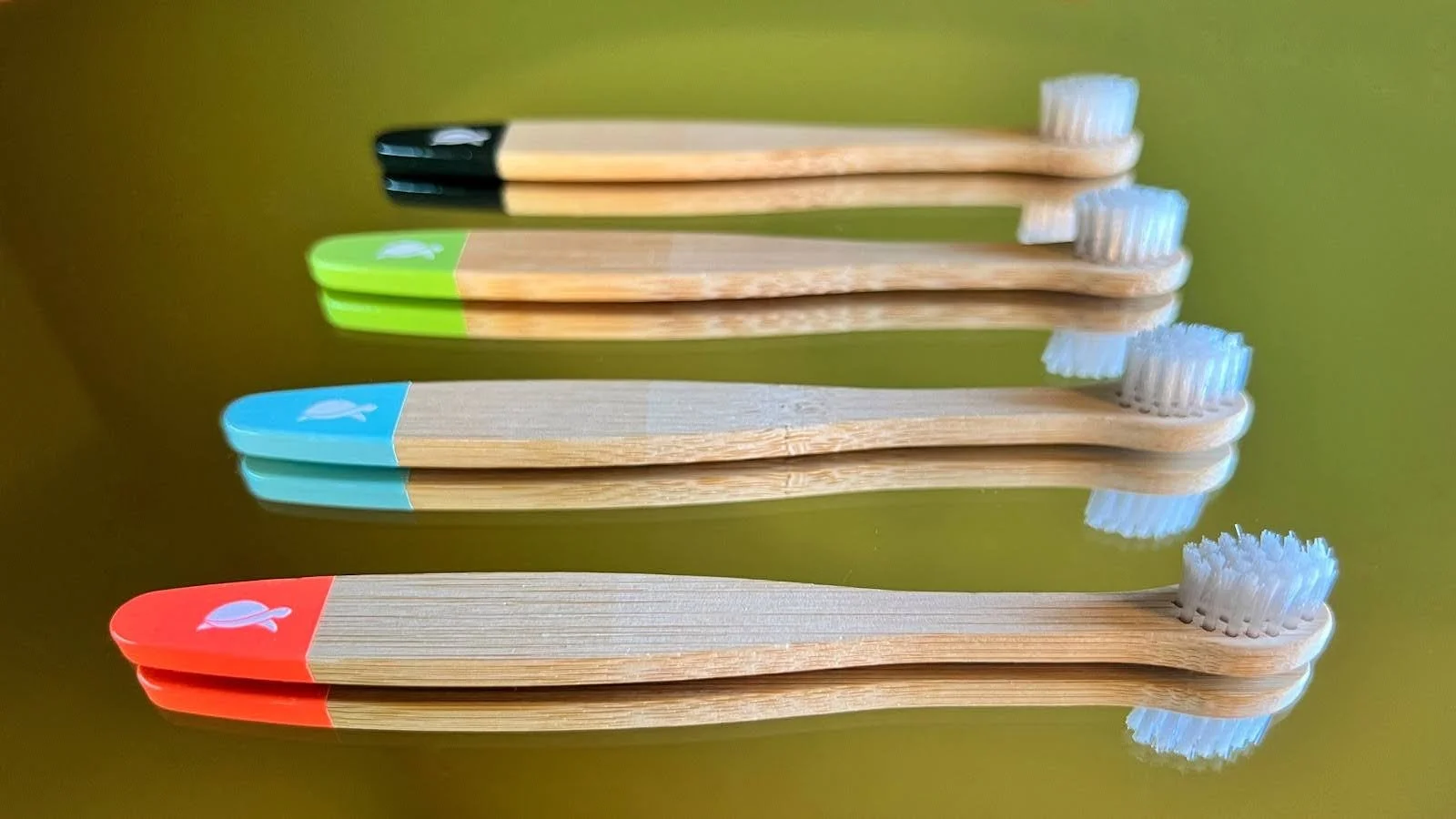
Castor bean oil bioresin bristles are bio‑based yet still largely synthetic polymers. Their chemical building blocks come from renewable castor oil that is then extensively processed, polymerized, and engineered into a plastic‑like material. “Plant‑based” does not automatically ensure toxin‑free; bio‑sourced polyamides like nylon‑11 still rely on similar classes of additives (stabilizers, plasticizers, pigments) as fossil‑derived plastics, which can contribute to chemical leaching and microplastic shedding over time. The bio‑based feedstock does reduce dependence on fossil fuels and can improve certain life‑cycle indicators such as greenhouse gas footprint and non‑renewable resource use, representing a genuine but modest environmental improvement. At end‑of‑life, these bristles are not fully biodegradable or compostable under normal conditions and remain unsuitable for backyard or home composting.
Recommended Brand: Sea Turtle Toothbrush With Castor Bean Bristles | Bamboo Handle | 4 Pack
Corn-Starch, Sugarcane, and Other Plant-Based Bioresins
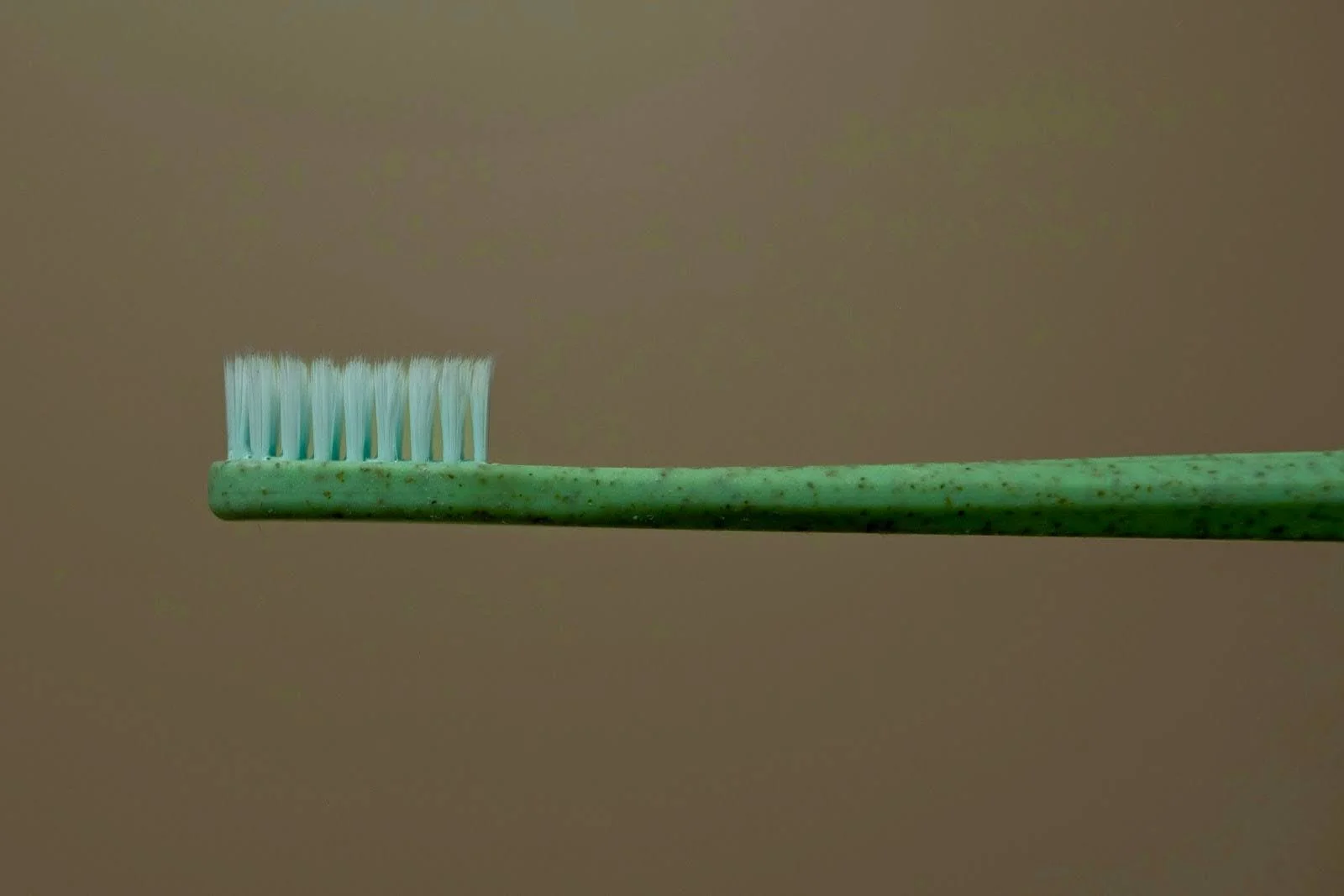
Toothbrush bristles and handles made from corn starch, sugarcane, soy, and other renewable resources are also chemically processed into bioplastics such as polylactic acid (PLA) and related polyesters. Similar to castor‑oil plastics, these materials can reduce fossil fuel use and are sometimes labeled as industrially compostable, yet the finished items often remain chemically comparable to traditional plastics once synthetic additives and polymerization are considered. Studies on “bio” and conventional plastics show both can leach hazardous substances (like endocrine‑disrupting compounds) and shed microplastics under normal use, meaning the main environmental benefit lies in lower production emissions and renewable sourcing, not in meaningfully eliminating toxic exposure or ensuring clean oral‑contact materials. For most consumers, these products are still not reliably home‑compostable and typically end up in landfill or incineration streams.
Recommended Brand: Terra & Co. Toothbrush With Plant-Based Agricultural Byproduct Handle | 10-Pack
Cellulose Acetate Handles
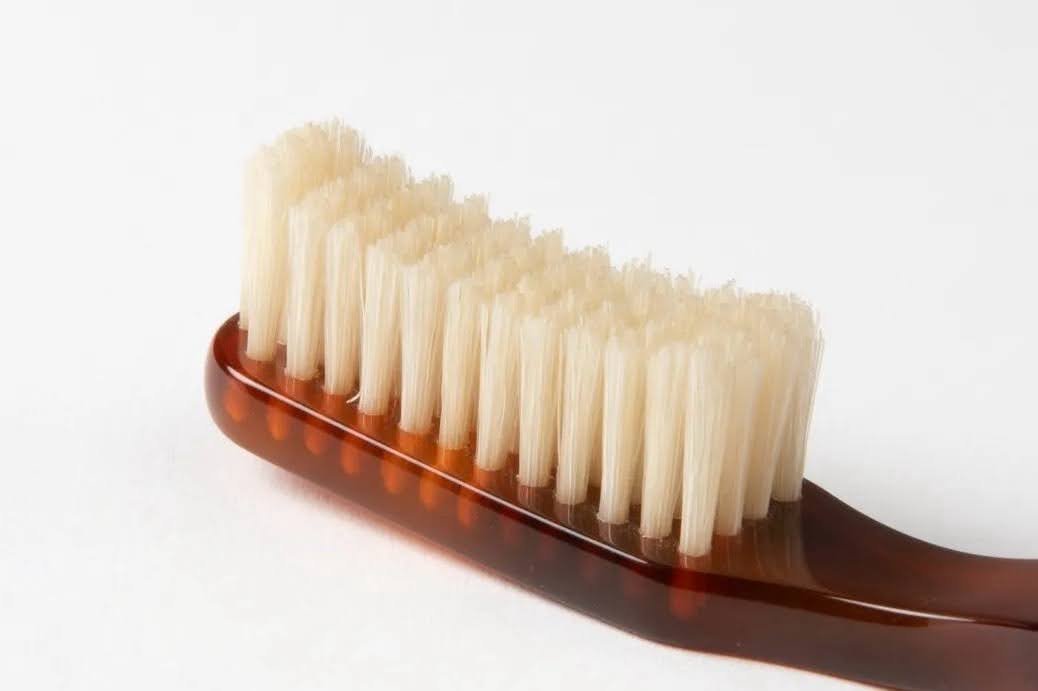
Cellulose acetate — a semi-synthetic plastic derived from plant-based cellulose in wood pulp or cotton fibers, chemically treated with acetic acid — is commonly used for toothbrush handles, while bristles remain typical nylon. The handle benefits from renewable sourcing, low moisture absorption, and durability that curbs bacterial growth and leaching versus petroleum plastics. However, nylon bristles still introduce microplastic shedding and synthetic polymer exposure risks. At end-of-life, cellulose acetate requires industrial processing or incineration — and is not safe for backyard or home composting, even without bristles.
Recommended Brand: Isshah Toothbrush With Cellulose Acetate Handle | 8 Count
High-Grade Polyester (PBT)
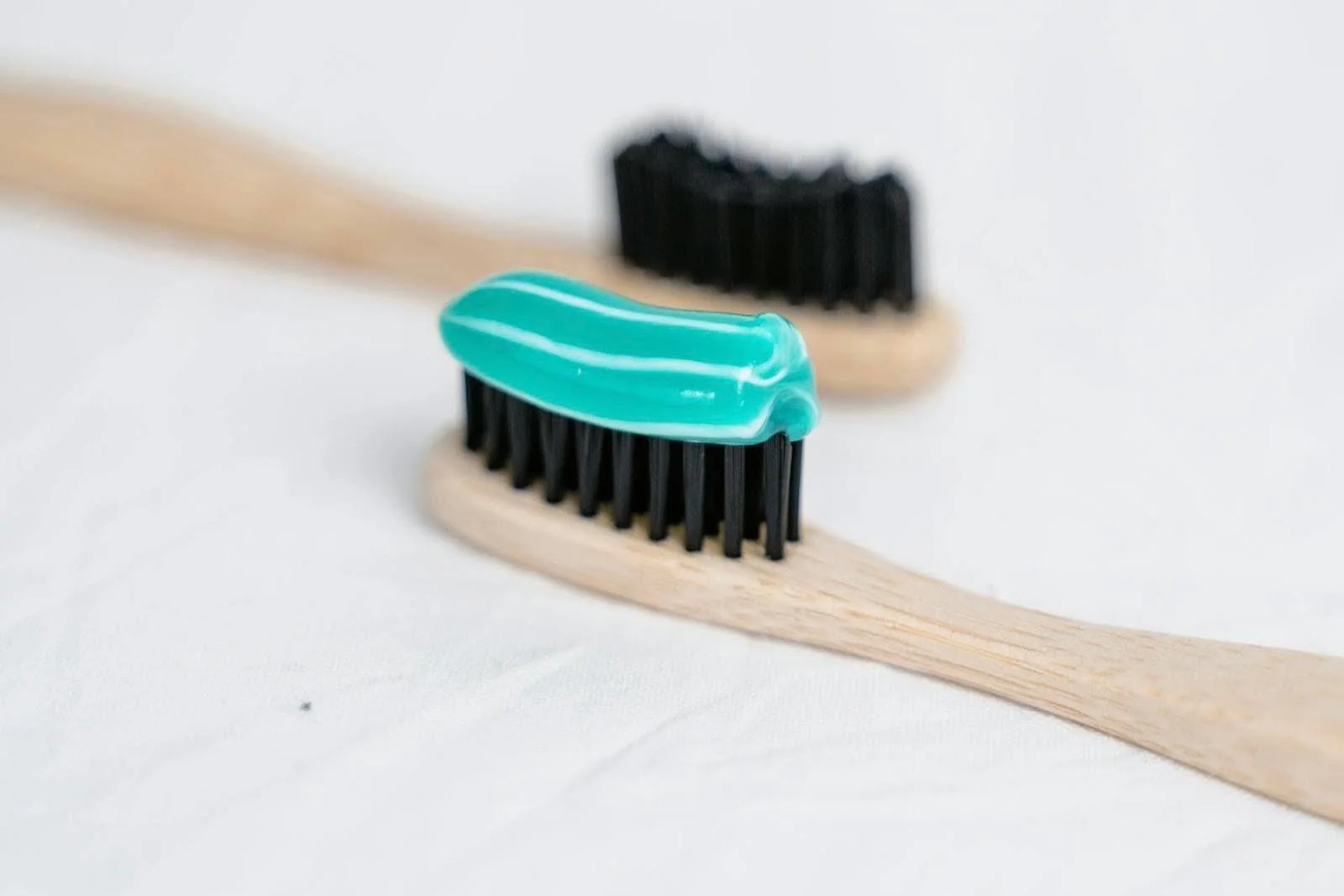
While traditional acrylic and polyester bristles were brittle and less stable, modern high-performance polybutylene terephthalate (PBT) grades offer superior water resistance, wear durability, and microbial resistance compared to many nylon blends. PBT bristles maintain stiffness when wet (unlike water-absorbing nylon), harbor fewer bacteria, and can be precisely tapered for effective gumline cleaning. They enable customizable hardness, elasticity, and color without animal sourcing.
However, PBT remains fully synthetic and non-biodegradable, shedding microplastics comparable to nylon during normal brushing abrasion despite better durability, and persists indefinitely in landfills.
Recommended Brand: All In One Stop Natural Bamboo Toothbrushes With Soft PBT Bristles | 4-Pack
Animal Hair Bristles
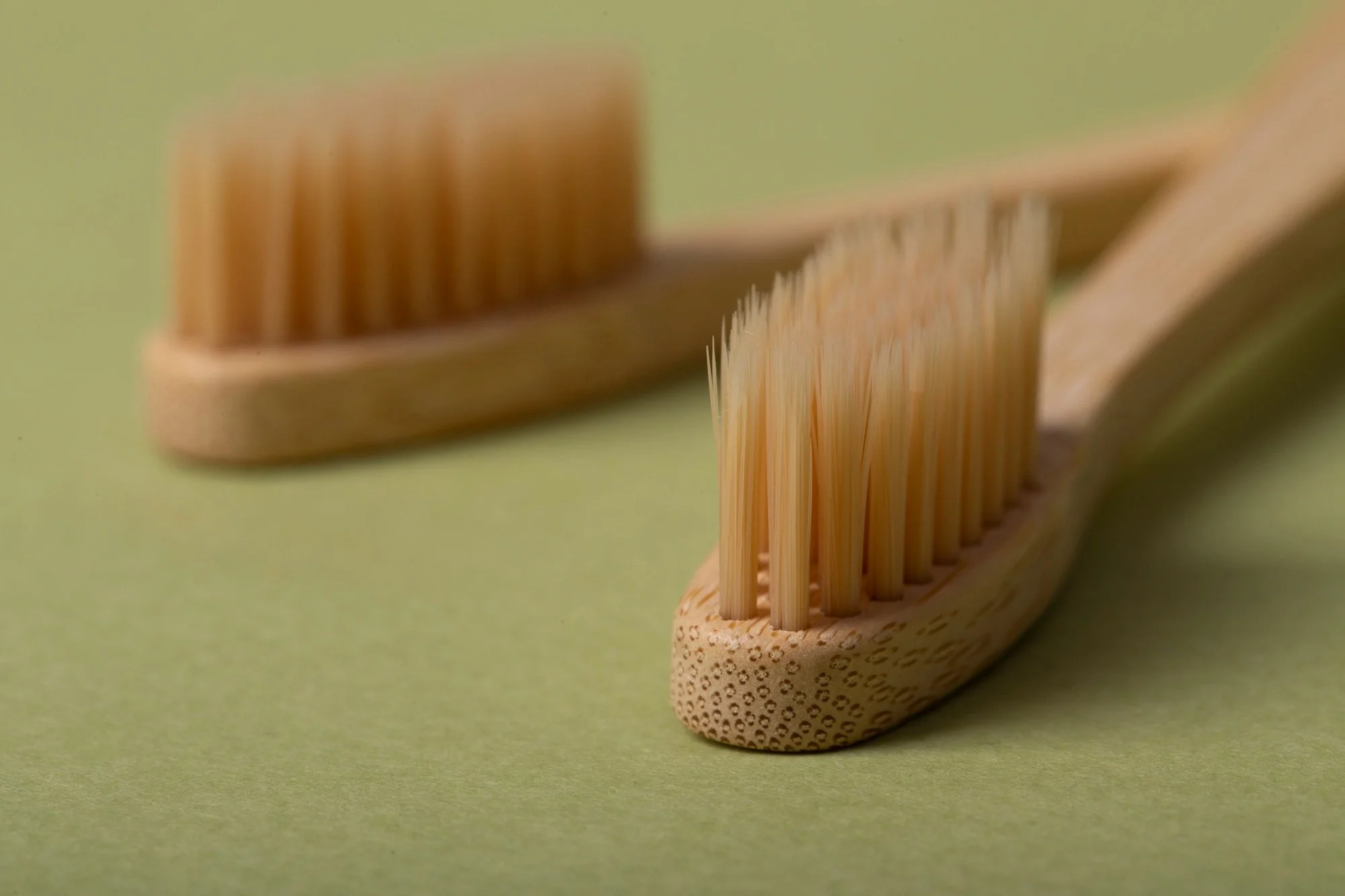
Bristles sourced from animals, such as boar or pig hair, remain one of the only truly biodegradable and low-tox oral care options available today, offering a natural and thorough clean. This traditional design has been used for centuries across many cultures, and when paired with bamboo or untreated wood handles, poses no risk of microplastic release or chemical leaching. These brushes can be home composted, breaking down naturally within a few months to a year. However, they are porous and brittle, and therefor harbor microbes more than synthetics, so its advised to replace them every 1-2 months (or sooner if worn, odorous, or hard to dry). Their coarse texture demands gentle use to avoid gum irritation.
Ethical sourcing of animal hair remains controversial. Transparency and verification are limited, and “cruelty-free” claims sometimes lack third-party backing or credible verification. As a result, animal-based brushes may not be a viable option for vegans or those with stricter animal advocacy preferences.
Recommended Brand: Gaia Guy Boar Hair Bristle Bamboo Toothbrush | Compostable & Biodegradable | Zero Waste | 6-Pack
Silicone Brushes and Bristles
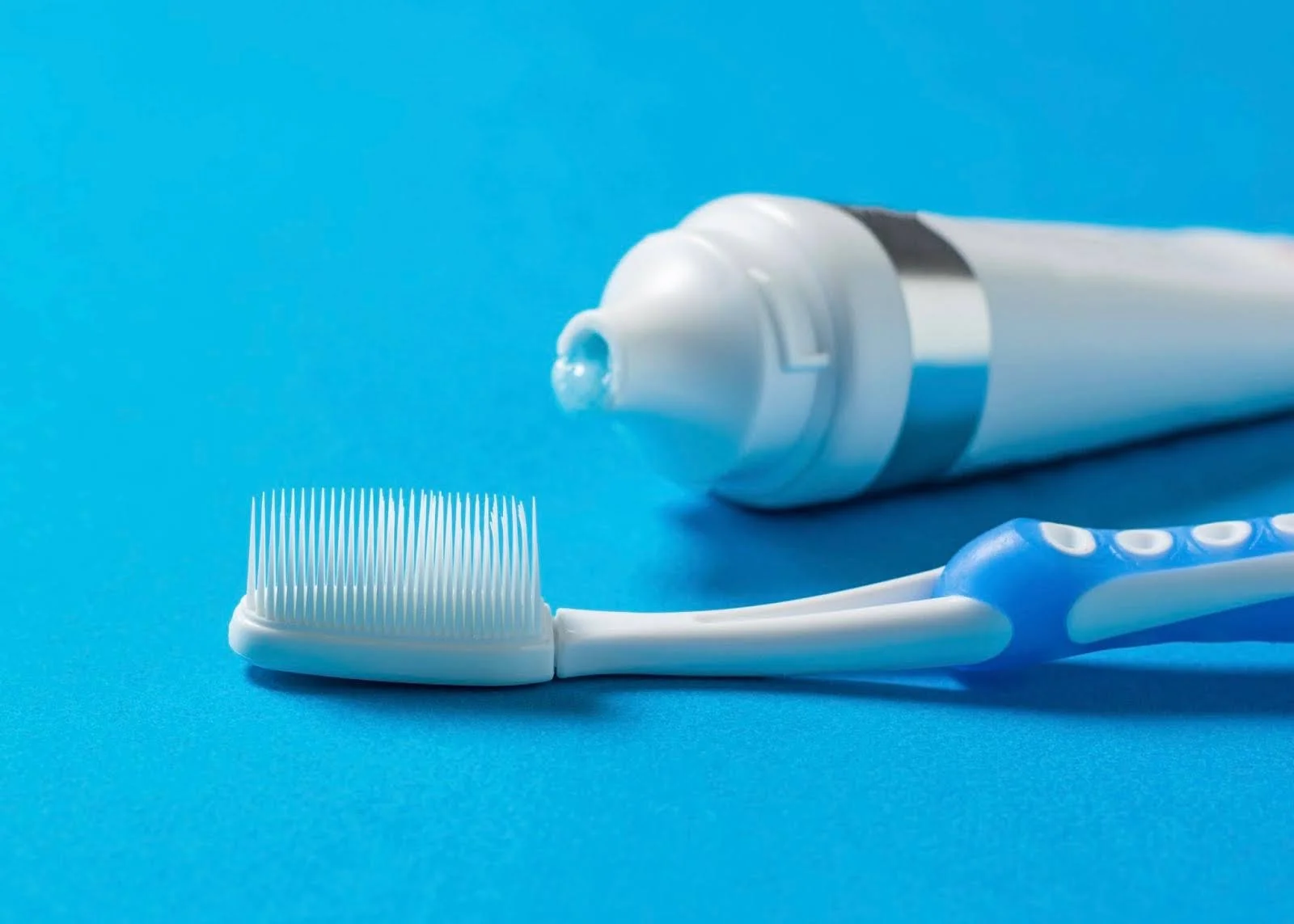
Silicone — made from a combination of silica quartz sand, oxygen, carbon, and hydrogen atoms — is a non-toxic and unique option for toothbrush components. As bristles, the material offers a gentle brushing experience, making them popular for individuals with sensitive gums and for teething children. Their soft, wedge-shaped tips stimulate gum tissue without irritation and dry quickly, helping limit bacterial growth. Thicker and more flexible than nylon, dentists caution that these traits reduce their ability to clean as thoroughly — especially for adult teeth. While some brush handles use chemically inert silicone, most designs combine silicone bristles with conventional plastic handles, while others feature hybrid bristles.
From an ecological perspective, silicone is more durable and chemically stable than most petroleum-based plastics, resisting breakdown, microplastic shedding, and chemical leaching. However, it is not biodegradable and does not naturally decompose in soil or water. Unlike plastic, silicone can be recycled through specialized facilities that are unfortunately rare in the U.S.
Recommended Brands:
COOL & FRESH Manual Toothbrush With Silicone Bristle | With Plastic Handle | 2 Pack
FOREO ISSA 4 Electric Toothbrush with Silicone Bristles & Handle | Rechargeable | With Extra Brush Head
Thermoplastic Polyurethane (TPU) Bristles
=
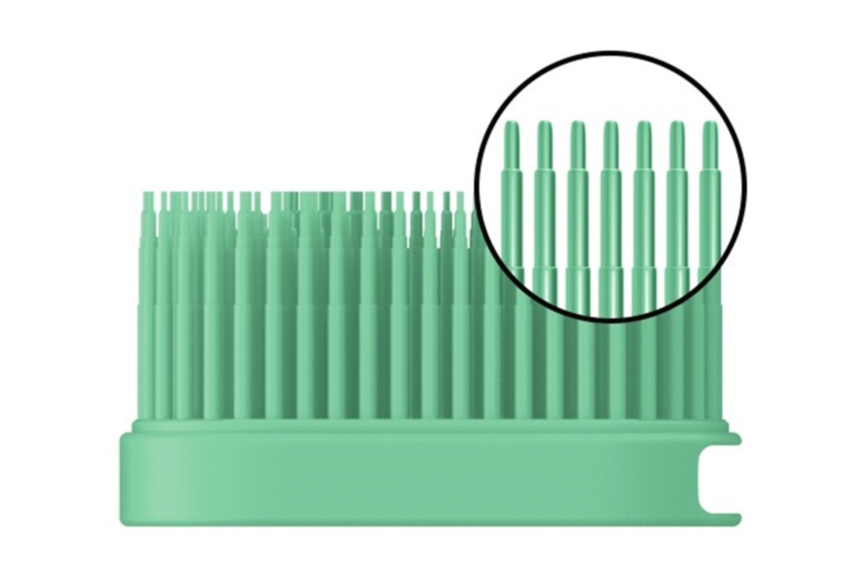
TPU is a versatile synthetic compound derived partly from silicon, prized for its smooth, lightweight, and breathable texture that creates a “second-skin” effect. It is commonly used in beauty and oral care products for its occlusive properties, forming a protective barrier resistant to water and air. While TPU bristles are not biodegradable, this thermoplastic elastomer is more chemically stable than typical nylon bristle grades and tends to be gentler on gums and mouth tissue. As an emerging material in oral care, few mass-market TPU toothbrushes exist. Most still use conventional plastic handles, limiting their sustainability compared to other alternatives.
Recommended Brand: SimplyBrush Premium Manual Toothbrush with TPU Bristles | with Tongue Scraper | Travel Case | 2 Replacement Heads
Miswak Chew-Sticks
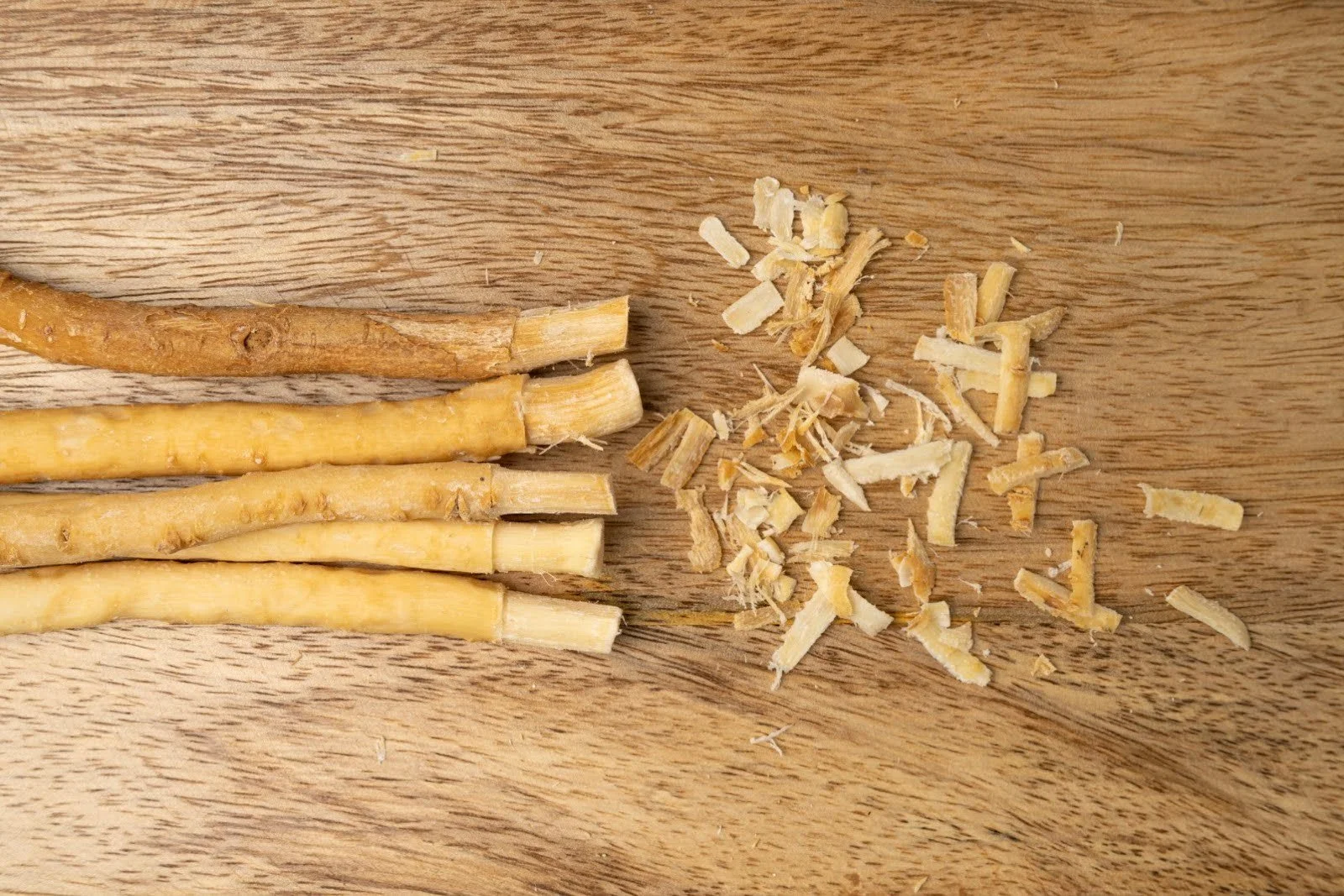
The miswak — also known as chew-stick — is an ancient and natural oral hygiene tool that’s still used in parts of Africa, Asia, and the Middle East. Typically made from the roots or twigs of specific trees recognized for their antibacterial and medicinal properties, the Salvadora persica (or “toothbrush tree”) is the most popular source, due to its naturally abrasive, antiseptic, and astringent effects and other oral health benefits. The wood fibers are chewed to loosen them after the bark has been pared back one on end, until they are frayed into a brush-like tip which is then used to clean the teeth and gums — no toothpaste or water required. Chewing the miswak stick stimulates saliva, buffers oral pH, and remineralizes enamel by introducing more calcium and phosphate into the oral cavity. Helping to prevent plaque buildup and cavities, and their embedded crystals can even remove stains caused by food, drink, or tobacco. The natural compounds present in these woods — such as chloride, vitamin C, and benzyl isothiocyanate — also offer antibacterial and gum-healing benefits.
While unprocessed miswak sticks are unrivaled in sustainability and are free from chemical contamination risk, there are some drawbacks. The fibers may be too stiff for sensitive gums, and fragments may shed during use. When this occurs, it’s advised to cut and expose a fresh tip. Though miswak woods are non-toxic, users are advised to avoid ingestion. Taste is often described as earthy or mildly bitter.
Recommended Brands:
Toothwak Miswak Toothbrush | With 6 Replacement Heads
Sewak Al Huda Store Raw Miswak Sticks with Holder | Vacuum Sealed | Pack of 4
Aluminum-Handled Electric Toothbrushes
For those who prefer powered brushing, aluminum-bodied electric toothbrushes offer a compelling upgrade over conventional plastic designs. These models pair a long‑lasting metal handle with replaceable heads, cutting down on total plastic use and keeping most of the material investment in a single, durable chassis instead of a stream of fully disposable devices. High‑quality anodized aluminum resists cracks, warping, and discoloration over time, and can be easier to fully sanitize than textured plastics or unfinished bamboo, which may absorb moisture and wear out faster in a motorized format meant for long-term use.
From a health perspective, aluminum handles avoid many of the additive packages, plasticizers, and bisphenol analogs that can migrate from plastic housings, while still supporting modern sonic or oscillating motors that have been shown to improve plaque and gingivitis scores for many users compared with manual brushing, especially when technique is inconsistent. Environmentally minded brands are beginning to pair metal handles with plant‑based or partially biobased heads and take‑back or recycling schemes, further shrinking waste and making it easier for consumers to keep the functional core of the device in service for years rather than months.
Recommended Brand: SURI 2.0 New Sonic Electric Toothbrush with Pressure Sensor & UV-Cleaning Travel Case
Pro Tip: Assessing Local Accessibility for Industrial Composting
For any industrial compostable materials — including cellulose acetate, various bioresins, and packaging — finding appropriate disposal options is key to unlocking their full environmental benefits. Here are reliable US resources to locate industrial composting facilities that accept a range of certified compostable products:
Disposable Design Store’s comprehensive US composting facility directory
Sustainable Packaging Coalition’s interactive composting access maps
Compost Manufacturing Alliance’s partner facility locator
US Composting Council’s list of certified compost participants
Most facilities require drop-off rather than mail-in services, so check local programs and verify which materials are accepted before disposal. Supporting and using industrial composting infrastructures ensures that degradable materials don’t end up in landfills, helping to reduce plastic pollution and greenhouse gas emissions.
The Best is Yet to Come
While today's options balance trade-offs between performance, toxicity, and environmental impact, exciting alternatives are in development that bring us closer to zero-waste oral care.
Emerging Innovations:
Advanced PHA bristles from bacterial fermentation: Fully biodegradable in soil and ocean environments, with nylon-like durability.
Engineered cellulose nanofibers: Plant-derived filaments designed for precise cleaning and home composting.
Mycelium composites: Fungal-based materials that naturally resist bacteria and break down in backyard compost.
Improved bio-based polyesters: Renewable options with fewer additives and better end-of-life performance.
These R&D efforts — from startups and research labs — aim to minimize chemical exposure while maximizing recyclability and compostability. Until they're widely available, our BETTER tier options help reduce harm and support the transition to truly sustainable oral care.
